
Why a Big House Needs More Than Mesh WiFi
You have full bars in the kitchen and nothing in the primary suite upstairs. The theater buffers. The guest house may as well be on the moon. So you buy another mesh node, and another, and it helps a little, and then it does not. This is one of the most common calls we get from larger homes around Big Sky and Bozeman, and the fix is almost never one more node off the shelf.
Here is why big properties defeat consumer mesh, and what actually works instead.
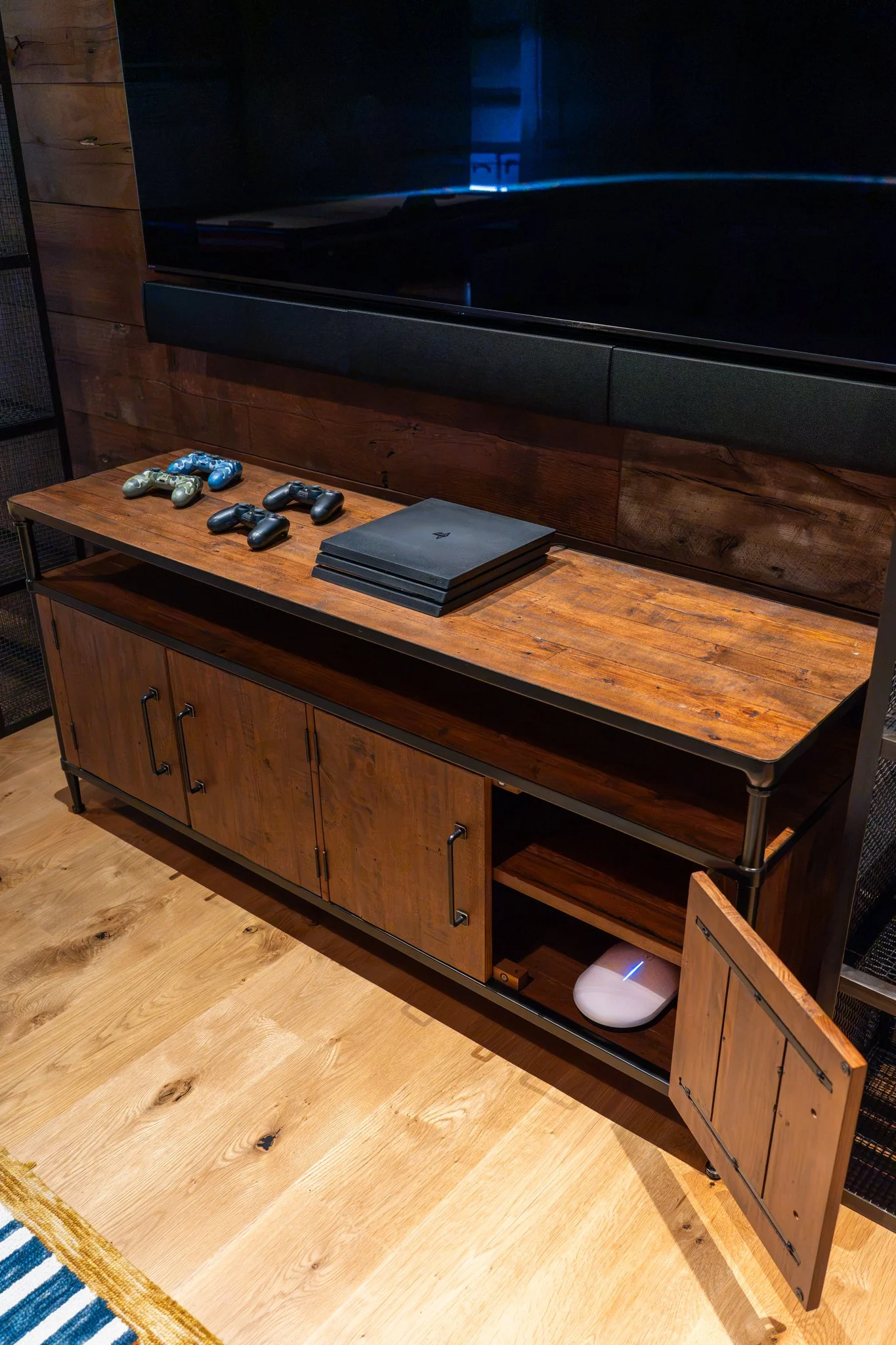
Why mesh struggles at scale
Consumer mesh systems were designed for ordinary houses, and mountain homes are not ordinary. Three things work against them:
Distance and construction. Log walls, stone, thick timber, radiant-barrier insulation, and metal roofs are all hard on a wireless signal. What sails across a normal drywall house gets absorbed in a mountain build.
Multiple floors and wings. A signal that has to travel up through floors and across a sprawling footprint fades fast, and no amount of placement fixes a node that is simply too far from the next one.
The hidden cost of wireless hops. When mesh nodes talk to each other wirelessly instead of over a cable, each hop roughly cuts the available bandwidth. Chain a few together and the far end of the house is running on a fraction of what you are paying for.
The real fix: wired backhaul and real access points
The homes that have flawless coverage all do the same thing. Every access point is fed by a network cable back to a central location, not chained wirelessly to the next one.
This is the single biggest difference between WiFi that frustrates you and WiFi you never think about. With each access point wired, every one delivers full speed, and modern WiFi 7 access points placed by someone who has thought about the floor plan will cover a large home cleanly with far fewer devices than a pile of mesh nodes. It takes planning and it takes cable, but it is the difference between patching a problem and solving it.
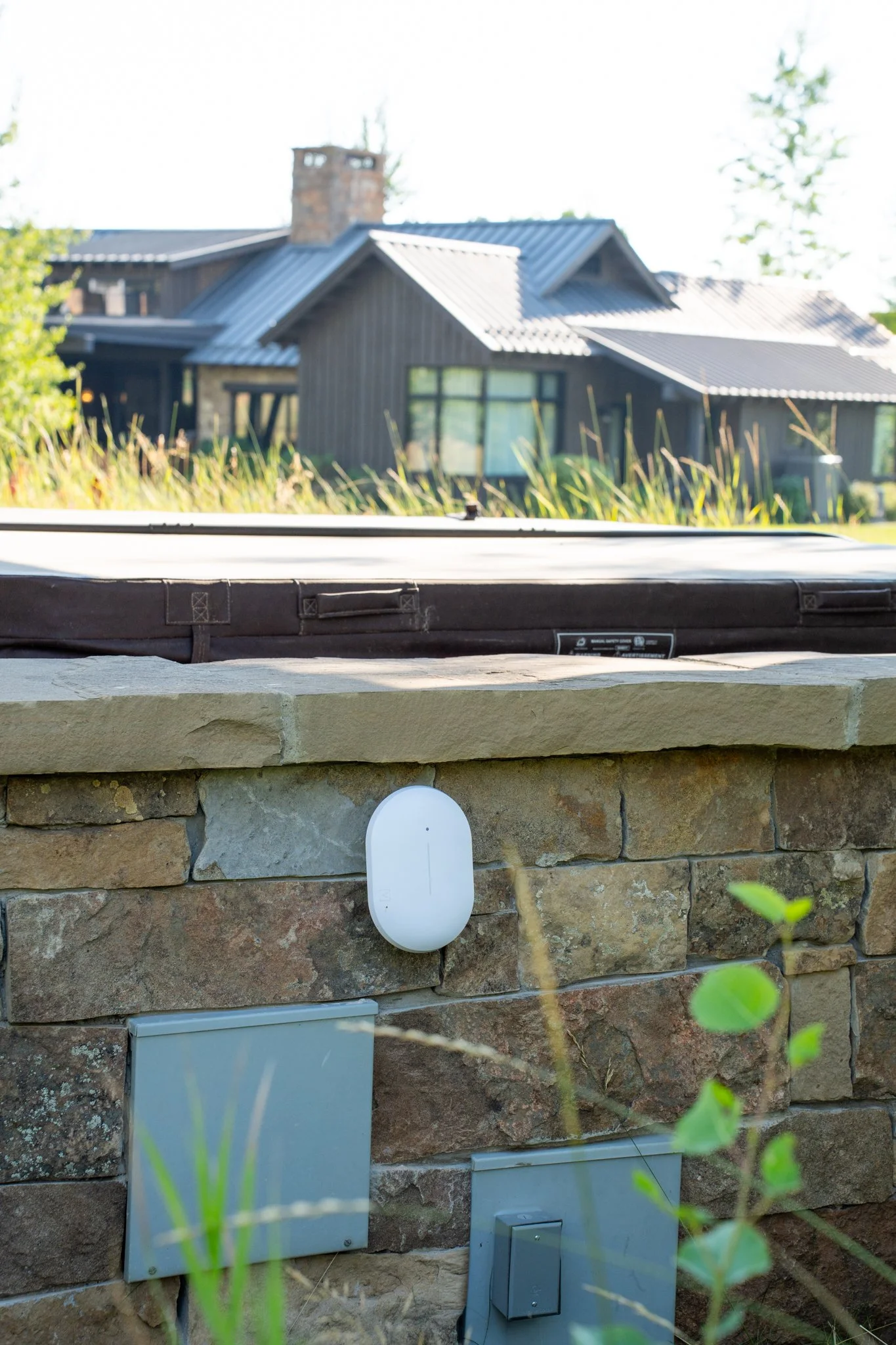
Do not forget outside and the outbuildings
On a big property, coverage does not stop at the exterior walls. Patios, pool areas, driveways, and gates all benefit from proper outdoor access points built to handle Montana weather.
Guest houses, barns, shops, and studios are their own challenge. Rather than hoping a signal reaches them, we link them back to the main house with a dedicated point-to-point wireless bridge or buried cable, so every building on the property is on the same fast, reliable network.
One seamless network across the whole property
Coverage is only half of it. The other half is that it should all feel like one network. Done right, your devices move from the house to the patio to the guest house without dropping or asking you to reconnect, and the network is quietly segmented behind the scenes: one space for family devices, one for guests, and separate lanes for cameras and smart-home gear, so a guest streaming a movie never slows down your security system.
It starts with a plan, and it can be handled for you
Whole-property coverage is a designed system, not a shopping trip. It starts with good cabling and honest placement, and on the properties we manage it is monitored and maintained so it keeps working long after install day.
One note: coverage assumes enough internet is actually reaching the house in the first place. If your property runs on Starlink, it is worth getting that side right too. See our companion piece on getting real performance out of Starlink on a large property: Getting Real Performance on a Large Property.
If your home near Big Sky or Bozeman has dead zones that mesh cannot fix, we can help. Learn more about our estate network management for private properties across the region, or reach out and we will take a look.
