
Multiple Restaurants, One Standard: Networking a Bozeman Restaurant Group
At a glance
Client: A Bozeman restaurant group, multiple locations
Type: Full-service restaurants, POS-dependent operations
Services: segmented POS networks, Toast-managed and self-managed network support, firewall and WiFi installs, managed cellular failover, structured cabling, commercial audio, monthly managed support
Scale: Multiple locations on one documented network standard
Platforms: Toast, Fortinet, Alta Labs, Sonos
The constraint
A restaurant can't have the point of sale go down mid-service. This group runs multiple locations, each with card-taking devices, kitchen display screens, guest WiFi, and music. The owners needed a single local team that could build every location the same way and respond fast when something broke during a shift.
A repeatable standard
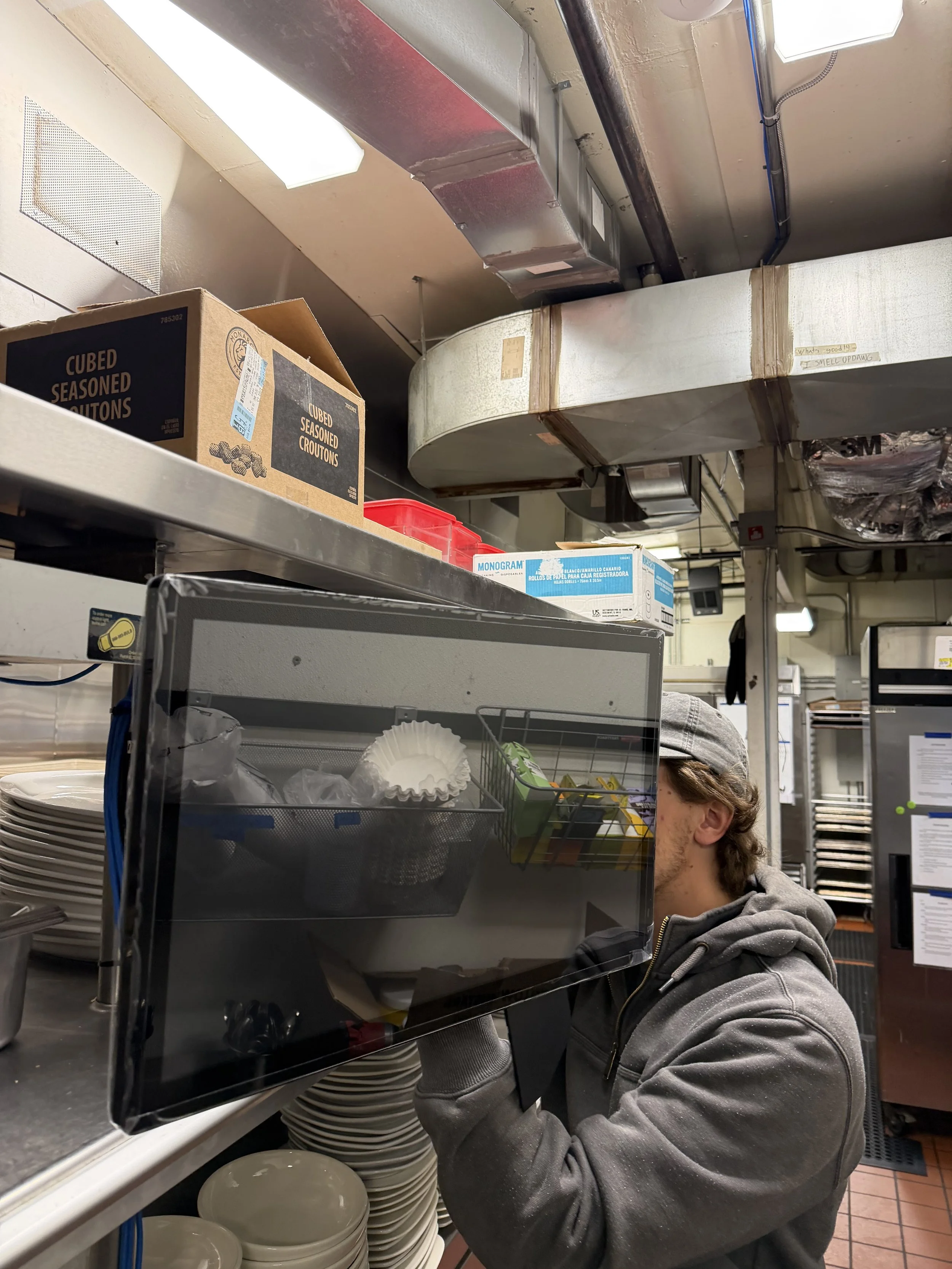
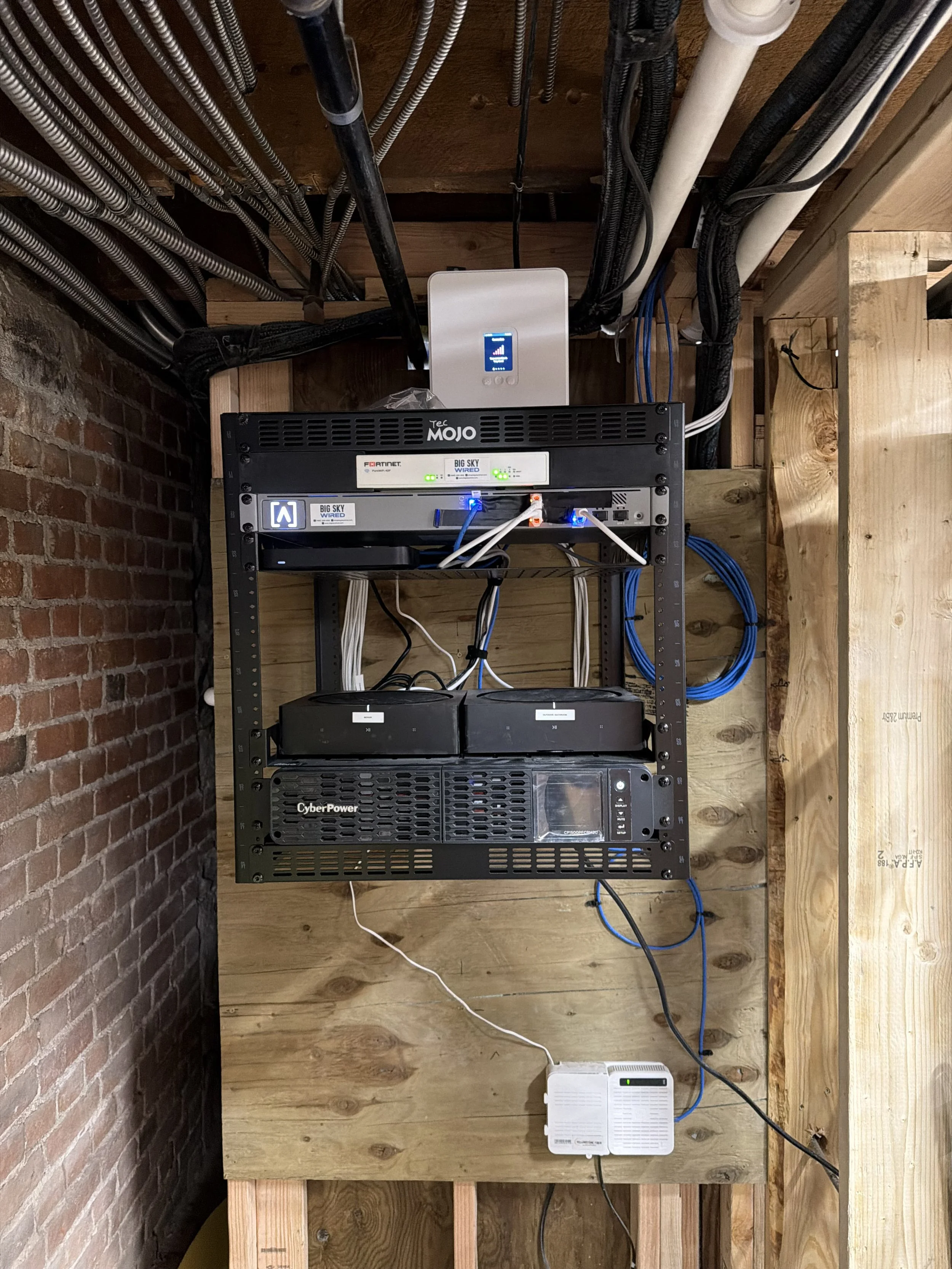
We started with one restaurant and expanded location by location. Each site gets the same core: a business firewall with security licensing, managed PoE switching, commercial access points, and a battery backup on the network gear. Payment devices, staff operations, and guest traffic run on separate segments, a PCI-conscious network design that keeps guest and staff devices away from the POS. Kitchen display screens, which don't take cards, sit on their own isolated segment. Every site is monitored, and alerts come straight to us.
Toast-managed or self-managed: we work in both
Toast restaurants can run their point of sale network two ways. On a Toast-managed network, Toast supplies and administers the POS router, switches, and access points, and only Toast-approved devices belong on it. Everything else in the building (office computers, guest WiFi, music, cameras) still needs a network of its own, built so it never gets in the POS's way. On a self-managed network, the restaurant or a provider like us builds and runs the whole thing to Toast's published requirements: a dedicated POS network, the outbound firewall rules Toast specifies, and enough bandwidth to keep orders moving.
We build and support both. At one location, the owners hadn't settled on a model when we started, so we designed the network to work either way and finalized it once they chose. Either path, the goal is the same: the POS stays isolated, and everything around it stays out of its way.
Failover that actually fails over
Locations have a managed cellular backup connection that we monitor and update remotely. At one restaurant, we retuned the failover overnight so the work never touched service. At the newest build, we tested it before opening: failover kicked in within seconds.
Building a new location from the rack up
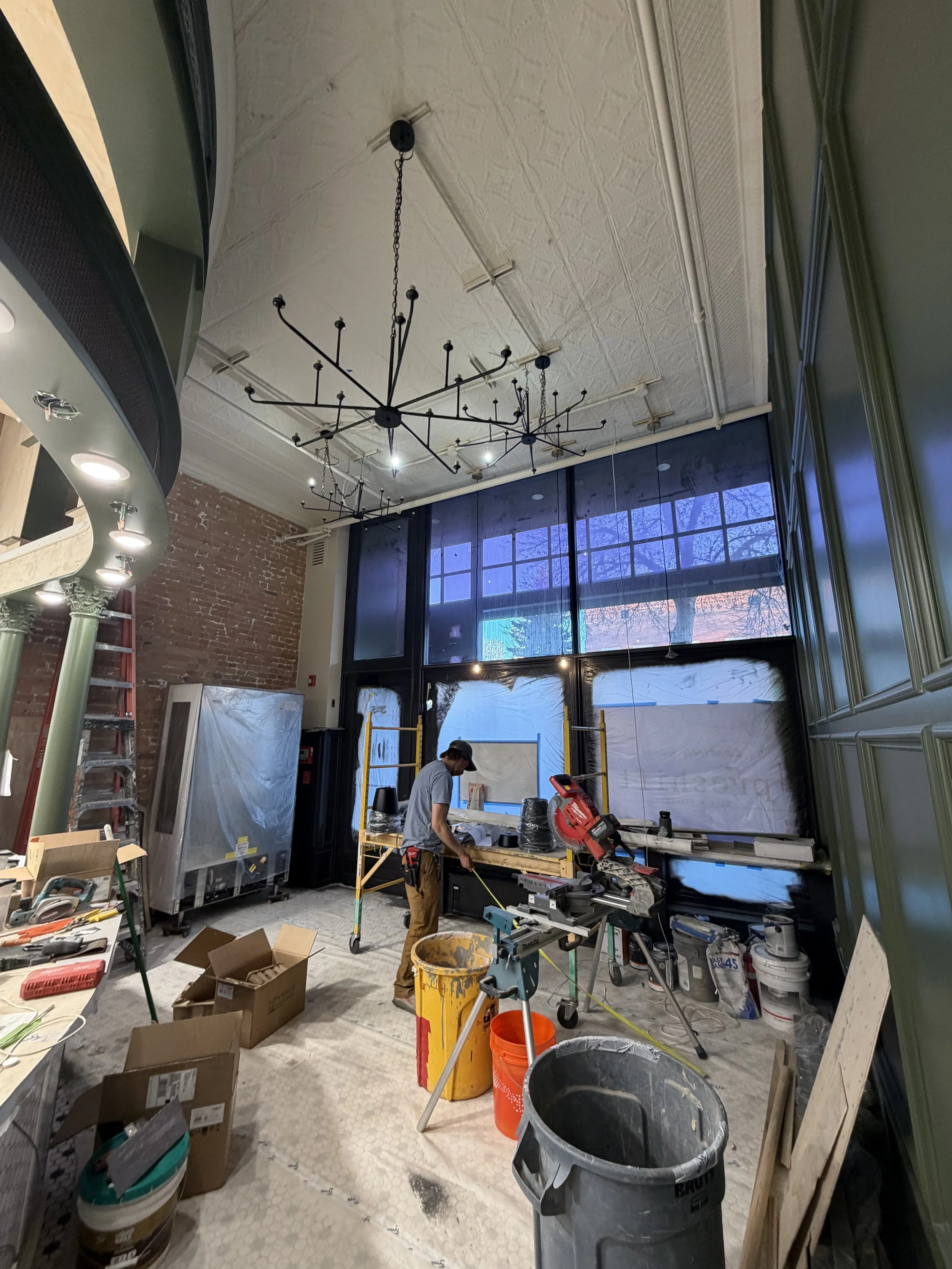
For the group's newest restaurant, we handled the full build: firewall and switching, a basement rack with every cable traced, Cat6 drops, and client isolation on the POS wireless. When an unexpected POS issue hit mid-project, we were on site and reconfigured the network to restore service. Later we added Cat6 drops for the kitchen and pickup area.
Sound that behaves
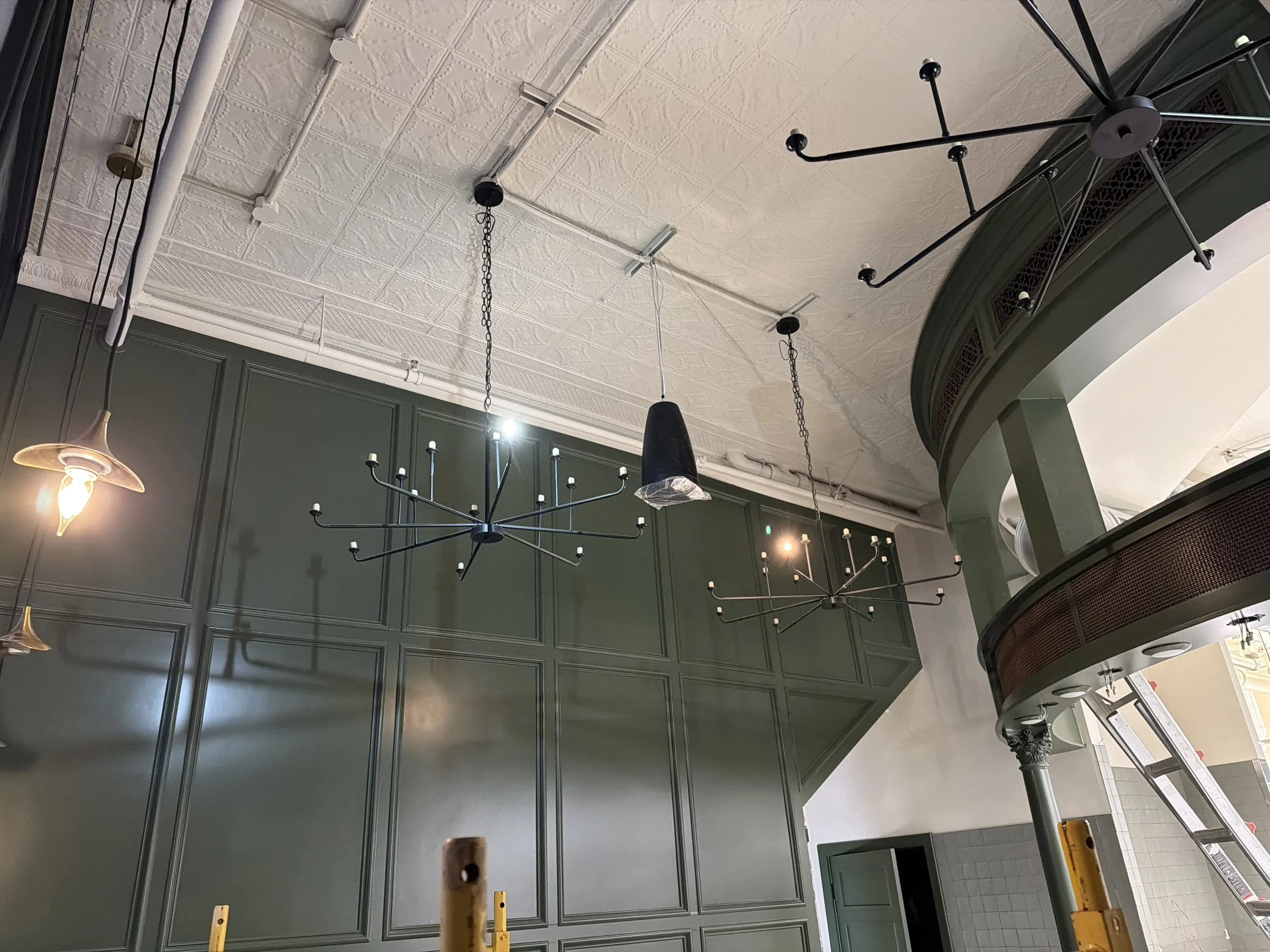
Music matters in a dining room. We install in-ceiling and outdoor speakers with final tuning, and pendant speakers for high-ceiling dining rooms where in-ceiling speakers won't work. When one system started spiking in volume at random, we traced it to the speakers holding addresses on two networks at once. We consolidated them onto a single network, hardwired, and the spikes stopped.
What's in place now
Business firewalls with annual security licensing at each location
Separate POS, operations, and guest networks
Toast-managed and self-managed POS networks, both supported
Managed switching and commercial WiFi
Monitored cellular failover
Battery backup on network equipment
Labeled, traced cabling and documented racks
Tuned commercial audio
Monthly managed support across the group
The result
Every restaurant in the group now runs on the same documented network standard, with segmented POS traffic, tested failover, and a local team that already knows every rack when the call comes in.
Running a restaurant where the POS can't go down?
One location or five, Toast-managed or not, we'll build your network so service keeps moving on your busiest night.
